


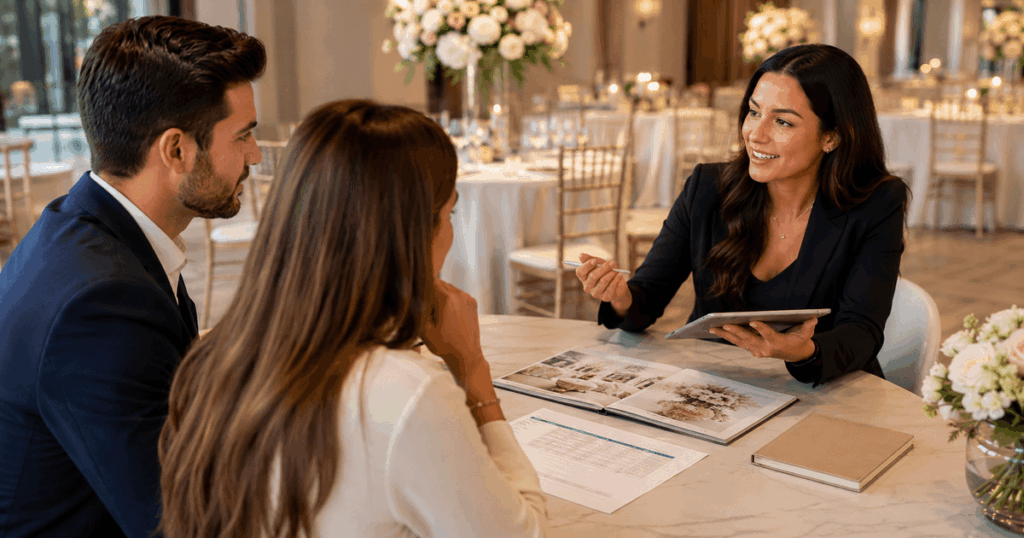
A successful gala dinner starts with a clear purpose, the right venue, a realistic budget, thoughtful guest planning, smooth program timing, quality catering and careful on-site coordination. These gala dinner planning tips will help you organize an elegant event that feels polished, comfortable and memorable for every guest.
A gala dinner is not just a formal meal. It is often connected to a company celebration, fundraising campaign, award ceremony, brand event or VIP gathering. That means every detail, from the invitation to the final farewell, should support the message and atmosphere of the evening.
Whether you are planning a corporate gala, charity dinner or private formal event, the goal is the same: create a seamless guest experience where the event feels well-organized, purposeful and enjoyable from start to finish.
Why Gala Dinner Planning Needs More Than a Beautiful Venue
A beautiful venue can create a strong first impression, but it cannot carry the whole event by itself. A gala dinner needs structure, timing, hospitality and a clear reason for gathering people in one room. Without these elements, even the most luxurious ballroom can feel empty, confusing or poorly managed.
Before choosing decorations, entertainment or menu options, you should understand what the event is meant to achieve. Is it designed to thank clients, raise funds, celebrate a milestone, launch a brand or bring important guests together?

Define the Purpose of the Gala Dinner
The purpose of the dinner will affect almost every planning decision. For example, a fundraising gala may need emotional storytelling, donation moments and sponsor recognition. A corporate gala may focus more on brand image, awards, speeches and networking.
Common gala dinner purposes include:
- Corporate anniversary celebration
- Charity fundraising dinner
- Award ceremony
- Client appreciation event
- Brand launch dinner
- VIP networking evening
- Formal private celebration
When the purpose is clear, it becomes easier to decide what should be included and what should be removed.
Think About What Guests Should Remember
A strong gala dinner should leave guests with a clear impression. They may remember the atmosphere, the people they met, the message from the host, the food, the entertainment or the emotional highlight of the night.
A useful question to ask early is:
“After the event ends, what should guests feel, remember or talk about?”
This simple question helps guide the mood, design, program and overall guest experience.
Gala Dinner Planning Tips for Setting the Right Budget
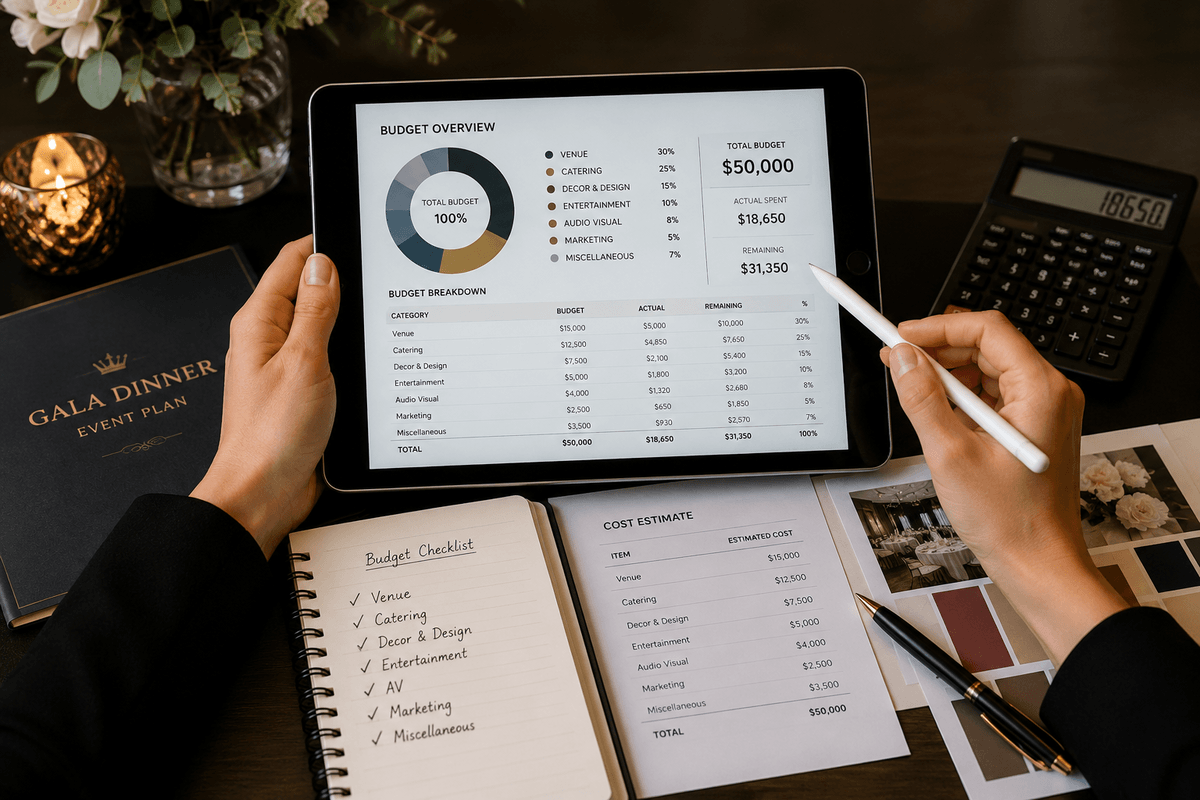
Budget planning is one of the most important parts of organizing a gala dinner. Many event problems happen because the budget is unclear, incomplete or focused only on the obvious costs, such as venue rental and food.
A realistic gala dinner budget should cover both visible and behind-the-scenes expenses. The stage, lighting, sound system, guest registration, staff, photography, entertainment and backup plans can all affect the final cost.
Important budget areas may include:
- Venue rental
- Catering and beverages
- Stage, sound and lighting
- Decoration and floral design
- Entertainment or live performance
- Photography and videography
- MC or host
- Event staff and coordinators
- Guest registration setup
- Transportation or valet parking
- Printing, signage and name cards
- Contingency budget
Separate Must-Have Costs from Nice-to-Have Details
Not every beautiful idea needs to be included. Some details are essential for the event to run properly, while others simply add atmosphere.
Must-have costs usually include the venue, catering, basic technical setup, staff, guest management and program support. Nice-to-have details may include premium floral installations, custom stage design, luxury gift sets or high-end entertainment.
A simple way to control the budget is to divide spending into three levels:
- Essential items that the event cannot run without
- Experience upgrades that improve guest comfort and atmosphere
- Luxury details that are nice but can be reduced if needed
This helps you protect the most important parts of the event before spending too much on decorative extras.
Choose a Venue That Matches the Event Style and Guest Experience
The right venue should match the formality, guest profile and flow of the gala dinner. A venue may look impressive in photos, but it still needs to work well for arrival, registration, dining, speeches, entertainment and departure.
For a formal gala dinner, the venue should feel elegant but also practical. Guests should be able to arrive easily, find the reception area, move comfortably and see the stage clearly from their tables.
Key venue factors to check include:
- Guest capacity
- Location and accessibility
- Parking or valet options
- Ballroom layout
- Ceiling height
- Stage visibility
- Reception or pre-function area
- Sound and lighting restrictions
- Catering rules
- Restroom access
- Backup space
- Loading area for suppliers

Think About Guest Flow from Arrival to Dinner
Guest flow is the movement of people throughout the event. It starts before they enter the ballroom and continues until they leave.
A smooth guest flow may look like this:
- Guests arrive and see clear signage
- They check in without waiting too long
- They move to a welcome drink or photo area
- They enter the dining space easily
- They find their table without confusion
- They enjoy the program without blocked views
- They leave the event comfortably
If any step feels confusing, crowded or slow, the guest experience can suffer. This is why the venue should be chosen not only for beauty, but also for how well it supports the event journey.
Plan the Guest List, Seating and Invitations Carefully
Guest planning is especially important for gala dinners because the audience often includes people from different groups, such as executives, VIP clients, sponsors, media, partners, donors or internal teams.
A well-planned guest list helps you manage seating, invitations, dietary requirements and the level of service needed during the event. It also helps prevent last-minute confusion when important guests confirm late or bring additional attendees.

Build Guest Categories Early
Instead of treating all guests as one general list, divide them into categories. This makes communication and seating easier.
Useful guest categories may include:
- VIP guests
- Company executives
- Sponsors or partners
- Clients or customers
- Media representatives
- Internal team members
- Speakers or award recipients
- Special guests or family members
Each group may need a slightly different level of attention. For example, VIP guests may need front-row seating, personal greeting, reserved parking or a dedicated coordinator.
Seating Arrangements Can Affect the Whole Atmosphere
Seating is not just about placing people at tables. It can influence conversation, comfort, relationship-building and the overall mood of the evening.
For formal gala dinners, it is usually better to prepare a clear seating plan. Name cards, table numbers and a check-in list can help guests find their places without stress.
When planning seating, consider:
- Who should sit near the host
- Which guests should be seated together
- Which guests should not be seated together
- Whether sponsors need special tables
- Whether speakers need easy stage access
- Whether elderly guests need easier movement
- Whether VIPs need more privacy or service attention
Good seating planning makes the event feel thoughtful and professionally managed.
Create a Clear Gala Dinner Program and Timeline
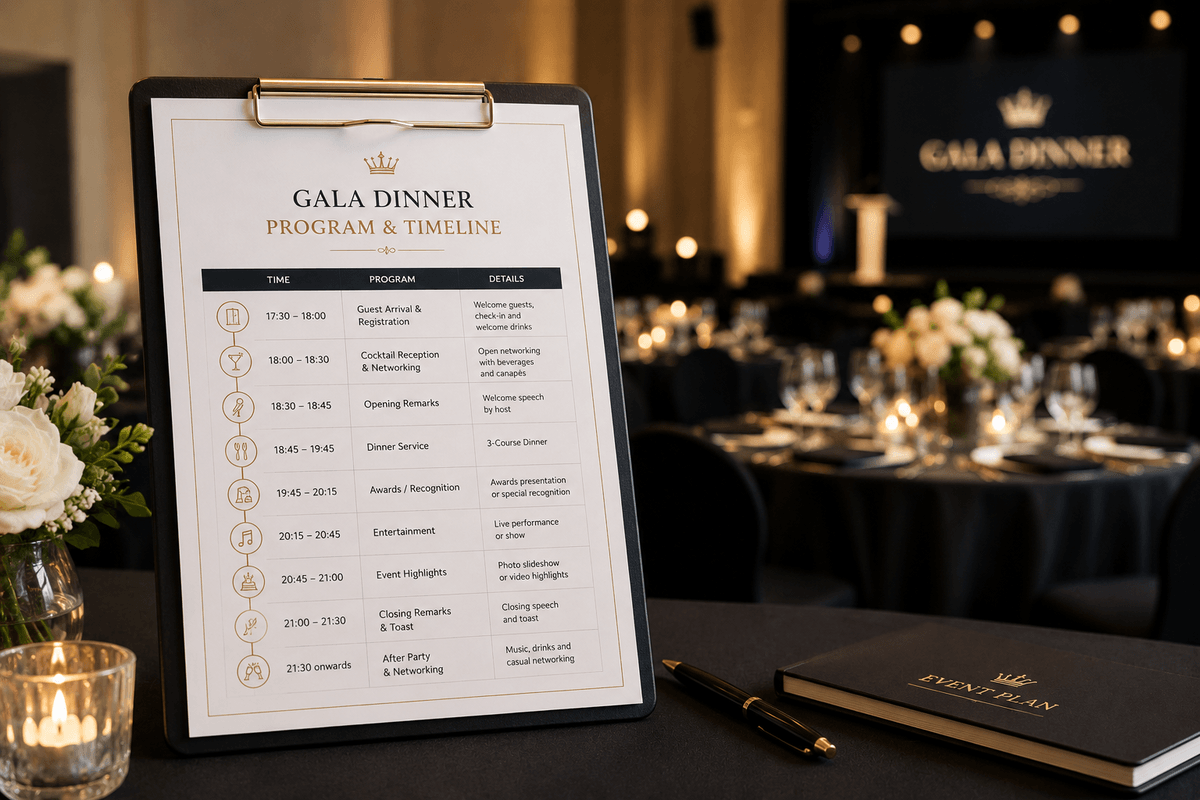
A gala dinner needs a clear program, but it should not feel overloaded. Guests come to enjoy the evening, meet people, eat comfortably and experience the main highlights. If the program is too long or too packed, the event can feel tiring.
A strong timeline keeps the evening moving smoothly. It also helps the MC, kitchen team, technical team, performers and event staff work together.
A typical gala dinner program may include:
- Guest arrival and registration
- Welcome drinks or photo session
- Ballroom opening
- Welcome speech
- Dinner service begins
- Main presentation or award session
- Entertainment or live performance
- Fundraising, recognition or brand moment
- Closing remarks
- Guest departure
Avoid Making the Program Too Long
One common mistake is trying to include too many speeches, presentations or performances. Even if each segment seems short, the full program can become too heavy when combined with dinner service.
A better approach is to identify the main moments that truly matter. For example:
- One strong opening speech is better than several repetitive speeches.
- One memorable performance is better than too many short acts.
- One clear brand or fundraising message is better than overexplaining.
The timeline should give the event enough structure without making guests feel trapped in a formal schedule all night.
Rehearsal Helps Prevent Small Problems
Technical rehearsal is important for any gala dinner with speeches, videos, awards or live performances. It allows the team to test microphones, lighting cues, screen content, walk-in music, stage movement and timing.
Small issues such as a missing microphone, wrong video file or unclear award order can create awkward pauses during the event. A rehearsal helps reduce these risks before guests arrive.
Focus on Food, Drinks and Service Quality
Food and service are often the parts guests remember most. Even if the event looks beautiful, poor food timing or slow service can damage the whole experience.
For a gala dinner, the menu should match the event style, guest profile and program flow. A formal plated dinner may suit a corporate gala or award night, while a premium buffet may work better for a more relaxed networking event.
Important catering details to plan include:
- Menu style
- Number of courses
- Welcome drinks
- Canapés
- Wine or beverage service
- Vegetarian options
- Halal or allergy-friendly meals
- Serving time
- Staff-to-guest ratio
- Table service process
- Kitchen timing with the event program

Match the Menu with the Formality of the Event
A black-tie gala, charity dinner or VIP corporate event usually needs a more refined dining experience. This does not always mean the most expensive menu, but it should feel appropriate for the occasion.
For example, a plated dinner can feel elegant and controlled, but it requires careful timing. A buffet gives guests more choice, but it may interrupt the flow if not managed well. Cocktail-style food can work for networking, but it may not suit a formal seated program.
The best choice depends on the event purpose, guest expectations and schedule.
Do Not Forget Dietary Requirements
Dietary needs should be collected before the event, not discovered during dinner service. Guests may have allergies, religious food requirements or personal restrictions.
A simple RSVP form can ask about:
- Food allergies
- Vegetarian or vegan meals
- Halal requirements
- Gluten-free options
- Other dietary notes
Handling these details well shows care and professionalism.
Use Decoration, Lighting and Entertainment to Support the Theme
Decoration, lighting and entertainment should support the event purpose, not distract from it. A gala dinner usually works best when the design feels elegant, balanced and intentional.
The theme does not need to be complicated. It can be based on brand colors, a celebration concept, a fundraising message or a formal evening style. What matters is that the visual direction feels consistent across the stage, tables, entrance, photo area and printed materials.
Key design elements may include:
- Color palette
- Floral design
- Table setting
- Stage backdrop
- Lighting mood
- Entrance design
- Photo area
- Brand elements
- Signage
- Menu cards
- Guest gifts

Keep the Design Elegant, Not Overloaded
A common mistake is adding too many visual elements. Large flowers, bright lights, strong colors, branded items, props and stage effects can compete with each other if there is no clear design direction.
For a gala dinner, less can often feel more premium. Clean table settings, warm lighting, thoughtful floral details and a well-designed stage can create a stronger impression than an overloaded space.
Entertainment Should Fit the Audience
Entertainment should match the tone of the evening. A corporate gala may need live jazz, a professional band, cultural performance or elegant background music. A charity gala may need emotional storytelling, a keynote speaker or a performance connected to the cause.
Before booking entertainment, ask:
- Does it match the event purpose?
- Will the audience enjoy it?
- Is it too loud for dinner conversation?
- Does it fit the venue and schedule?
- Does it support the mood of the evening?
Entertainment should improve the guest experience, not interrupt it.
Common Gala Dinner Planning Mistakes to Avoid
Even experienced hosts can overlook important details when planning a gala dinner. Many problems come from unclear planning, weak communication or assuming that suppliers will automatically understand the event flow.
Common mistakes include:
- Choosing a venue before defining the event purpose
- Spending too much on decoration before securing essentials
- Confirming guest numbers too late
- Creating a program that is too long
- Forgetting dietary requirements
- Not preparing a proper seating plan
- Skipping technical rehearsal
- Having unclear responsibilities on event day
- Not preparing backup plans
- Leaving VIP handling to the last minute

Small Details Can Affect the Whole Evening
Small details may seem minor during planning, but they can become obvious during the event. For example, unclear signage can delay check-in. Poor microphone quality can affect speeches. Late food service can disturb the program. Missing name cards can confuse guests.
This is why gala dinner planning should include both big-picture decisions and detailed execution.
A useful final check before the event includes:
- Confirm guest numbers and seating plan
- Recheck the event timeline with all suppliers
- Test microphones, screens, music and lighting
- Confirm menu and dietary requirements
- Prepare VIP arrival details
- Brief the MC and event staff
- Prepare emergency contacts
- Walk through the venue from a guest’s point of view
This checklist helps reduce avoidable mistakes before the event begins.
When Should You Work with a Professional Gala Dinner Organizer?
You should consider working with a professional gala dinner organizer when the event involves many guests, VIPs, multiple suppliers, a formal program or high expectations from the host organization. The more moving parts the event has, the more important coordination becomes.
A professional organizer can help turn ideas into a clear event plan. They can also coordinate suppliers, manage the timeline, support guest flow and supervise the event on-site.
An organizer is especially useful when your event includes:
- VIP guests or executives
- Award presentations
- Fundraising activities
- Live entertainment
- Media or sponsor involvement
- Multiple vendors
- Formal dinner service
- Tight event timing
- Brand image concerns
- Guests from different countries or groups

A Good Organizer Helps You Focus on Hosting, Not Chasing Details
On the event day, the host should not have to chase suppliers, check microphones, solve seating problems or manage dinner timing. Those details should be handled by a prepared team.
A good event organizer helps you stay focused on your guests while the behind-the-scenes work is managed properly. This makes the evening feel more relaxed, polished and professional.
Planning a gala dinner takes more than choosing a beautiful venue. From budget and seating to catering, decoration, timing and on-site coordination, every detail should work together to create a smooth and memorable guest experience.
If you want your gala dinner to feel elegant, organized and stress-free, working with an experienced event organizer can help you plan the evening clearly from start to finish.